
4Cs of Diamonds : Complete Guide
- What the 4C’s are for Lab Grown Diamonds
- Diamond Carat
- How the 4Cs Work Together
- Diamond Cut
- Diamond Shape
- Four Cs of Diamonds FAQs
- Diamond Clarity
- Types of Diamonds
Diamonds are graded and characterized by four main characteristics, which were originally created by the Gemological Institute of America (GIA). These four characteristics are color, clarity, cut, and carat weight, the 4Cs. Use this guide to learn about the 4Cs and familiarize yourself with the essential diamond characteristics that will make your diamond selection a more informed and streamlined process.
What the 4C’s are for Lab Grown Diamonds
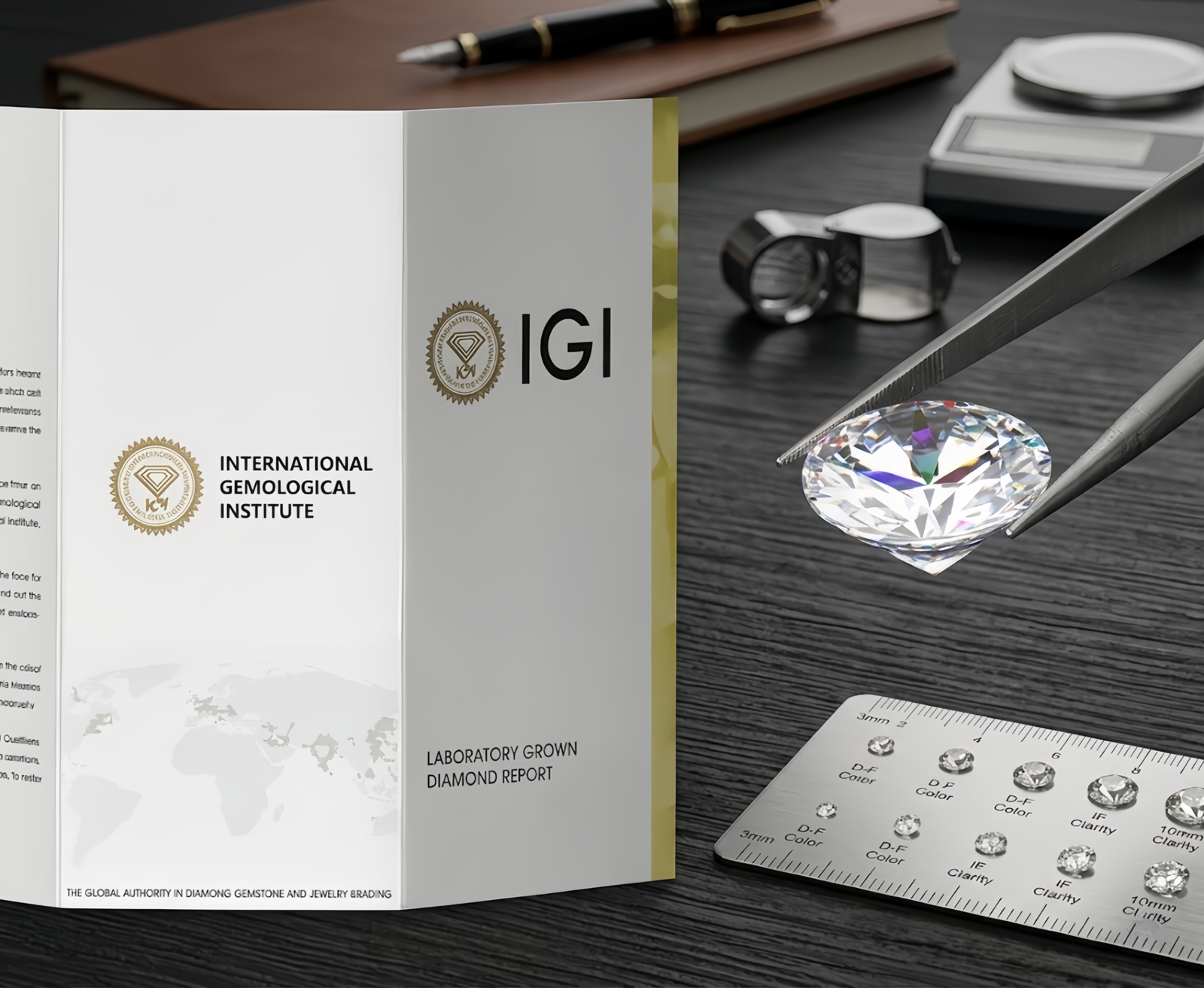
The Core of the 4Cs: Selecting Excellence, Defining Value
Brilliance begins with understanding. We demystify diamond grading into a seamless journey, ensuring every stone reflects unrivaled quality, value, and expert-level standards.
Diamond Cut
Cut determines how effectively a diamond's facets interact with light, creating the gem’s signature brilliance and sparkle. Unlike other diamond characteristics that form during the growth process, cut quality results from the diamond cutter's skill and precision. A masterfully cut diamond reflects optimal brilliance, disperses vivid fire-like colors, and creates dynamic sparkle patterns when moved (this is called scintillation). The GIA grades diamond cut from Excellent to Poor based on proportions that maximize light performance. An Excellent cut diamond returns nearly all light that enters the gem, resulting in exceptional sparkle and visual impact. In contrast, a Poor cut allows light to escape through the pavilion (bottom), resulting in a dull appearance regardless of the diamond's other qualities.

- FAIR
- GOOD
- VERY GOOD
- IDEAL
- SUPER IDEAL
Fair
Good quality cut which reflects some light while maximizing weight.

- D
- E
- F
- G
- H
- I
- J
D Color
Absolutely colorless or icy white. The highest color grade—extremely rare and most expensive.
Diamond Color
- The psychology of diamond color: Most people cannot distinguish between adjacent color grades when diamonds are set in jewelry. This creates opportunities for significant savings without sacrificing beauty.
- Diamond size (larger diamonds reveal color more readily)
- Diamond shape (step-cut emerald and asscher shapes tend to display more color than brilliant cuts, which mask color with their superior light. dispersing properties)
- CHOICE 1
- CHOICE 2
- CHOICE 3
- CHOICE 4
- CHOICE 5
- CHOICE 6
- CHOICE 7
- CHOICE 8
Choice 1
Description for choice 1
Diamond Color
- The psychology of diamond color: Most people cannot distinguish between adjacent color grades when diamonds are set in jewelry. This creates opportunities for significant savings without sacrificing beauty.
- Diamond size (larger diamonds reveal color more readily)
- Diamond shape (step-cut emerald and asscher shapes tend to display more color than brilliant cuts, which mask color with their superior light. dispersing properties)
Diamond Carat
Diamond Shape
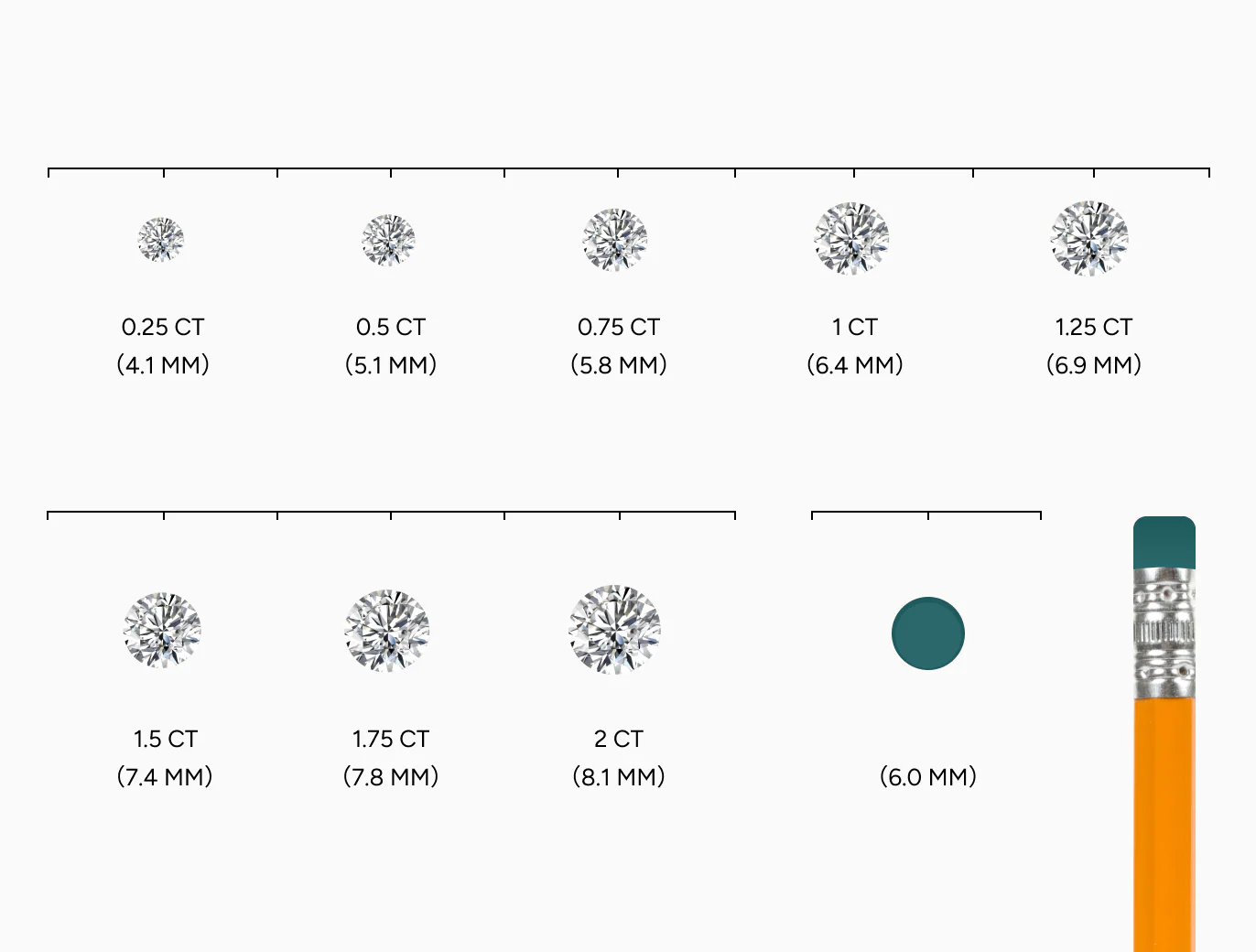
- Price (fancy shapes typically cost less than round brilliants of comparable quality)
- Durability (pointed corners in marquise, pear, and princess cuts benefit from protective settings to prevent chipping)
- Visual impact (elongated shapes like oval and marquise often appear larger per carat than round brilliants due to their greater surface area)
Diamond Size
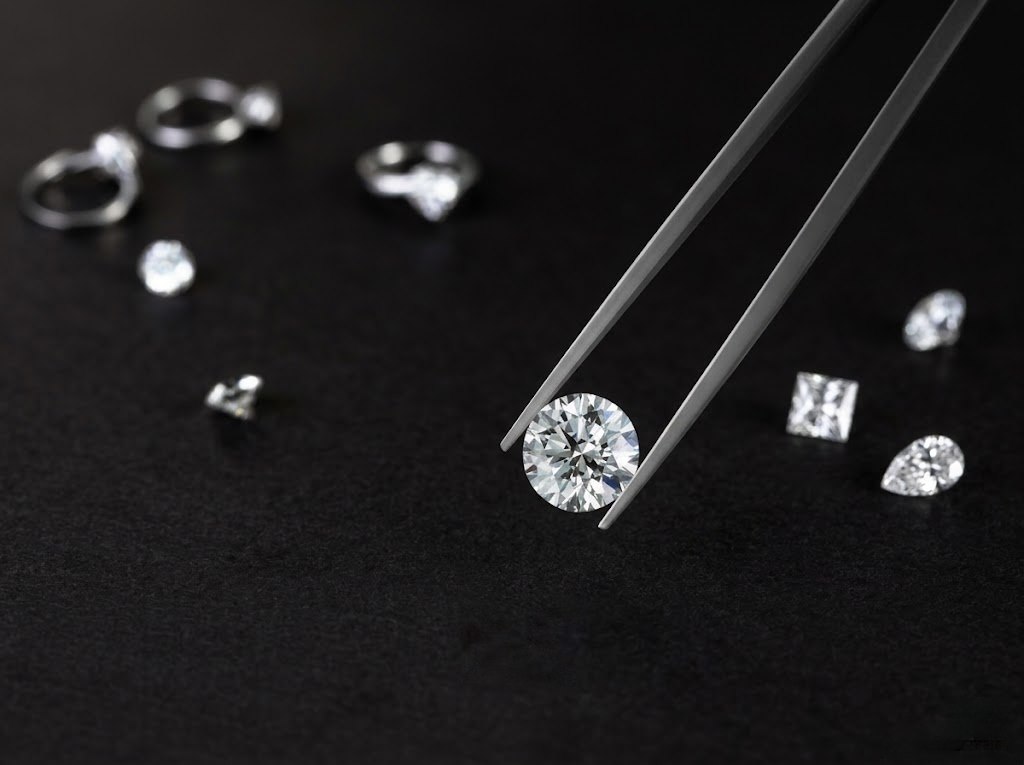
Types of Diamonds
Natural Diamonds
Natural diamonds form deep within the Earth under extreme conditions of heat and pressure over billions of years. They are comprised of nearly 99.95% carbon making diamonds the only gemstone constructed of a single element. They are the hardest naturally occurring materials found on Earth and gem-quality diamonds are one of the most sought-after. Because of their limited quantity, natural diamonds have been cherished for their enduring value and passed from generation to generation.Lab Diamonds
Lab diamonds are optically, chemically, and physically the same as natural diamonds. Their difference lies only in their origins -natura diamonds form within the Earth, and lab diamonds are grown by. professionals with specialized equipment.Another difference is cost; as lab qrown diamonds are less rare than natural diamonds, they often come at a much more accessible price.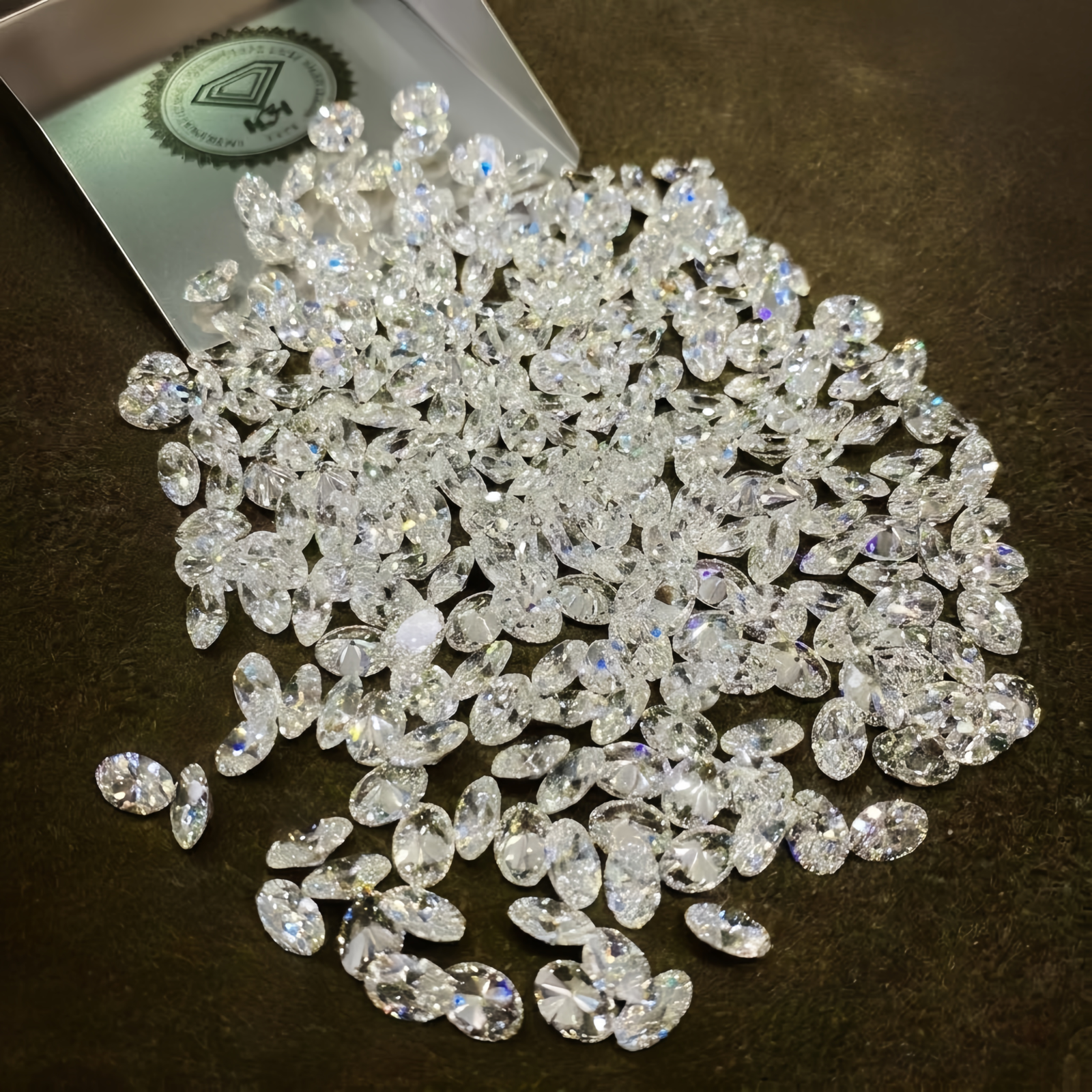
How the 4Cs Work Together
Understanding 4Cs Interactions
The diamond 4Cs don't operate independently their interactions create the overall beauty and value proposition:Cut and Clarity Synergy Excellent cut quality can make lower clarity grades appear cleaner by directing light away from inclusions. Conversely, poor cut quality makes even high clarity diamonds look dull and lifeless.Color and Setting Harmony
Yellow gold settings naturally complement warmer diamond colors while white metal settings require higher color grades for optimal appearance.Size and Clarity Relationship Larger diamonds reveal inclusions more readily, making higher clarity grades more important as carat weight increases.Cut and Carat Balance Excellent cut quality becomes increasingly important in larger stones, while superior cutting can make smaller diamonds appear more substantial.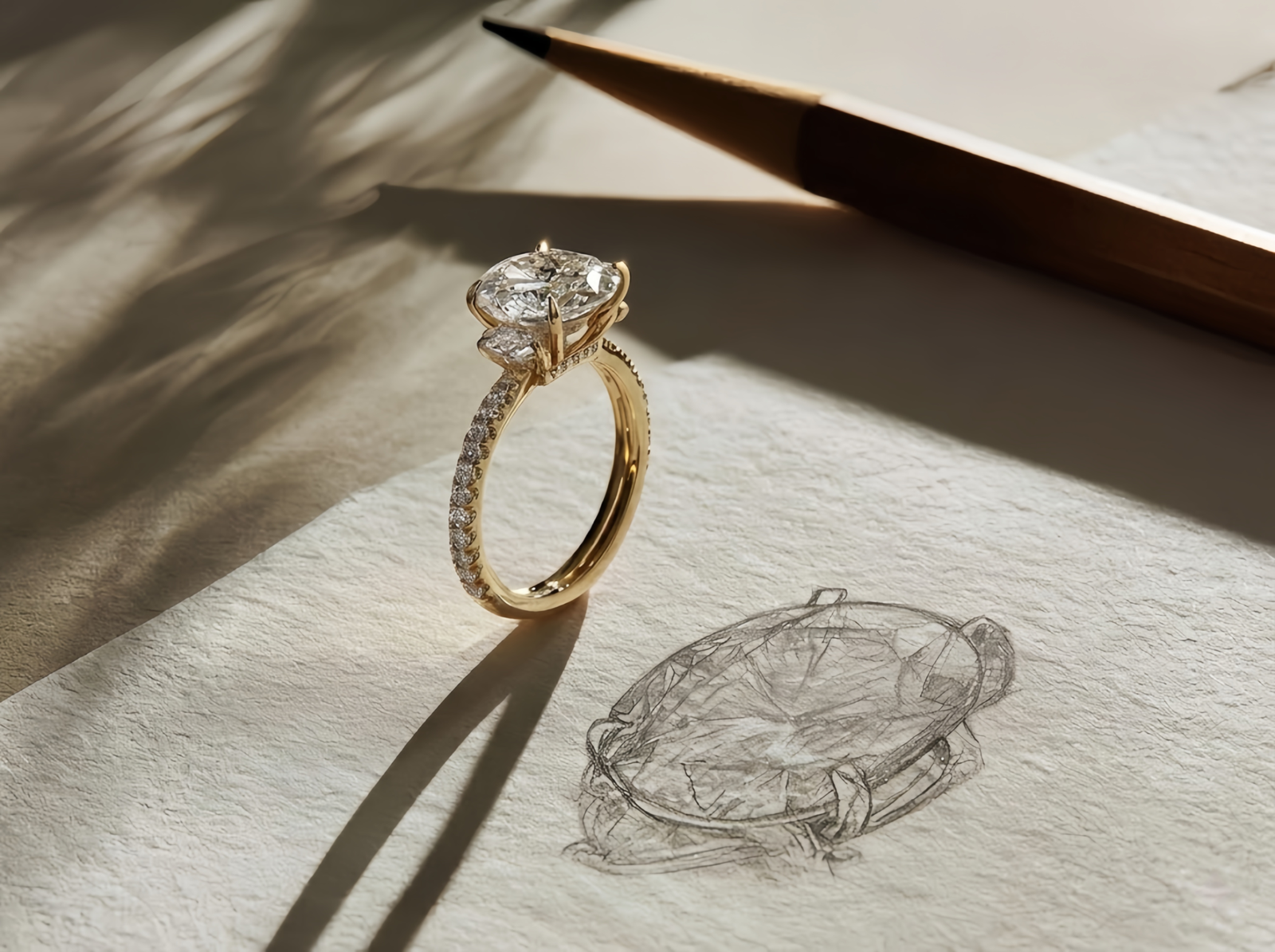
Four Cs of Diamonds FAQs
Which of the 4 Cs is most important in diamonds?
While all four Cs — cut, color, clarity, and carat — matter, cut is widely considered the most important. A well-cut diamond will reflect more light and appear more brilliant, even if the other factors are slightly lower. By focusing on cut quality, the diamond you select will sparkle with the most fire and brilliancy.
What is the best combination of the 4 Cs of diamonds?
- Prioritize an Excellent or Ideal cut.
- • Choose G-H color for near-colorless beauty.
- • Opt for VS2-SI1 clarity for eye-clean stones at better value.
- • Select a carat weight that suits your style and finger size.
Does diamond carat refer to its size?
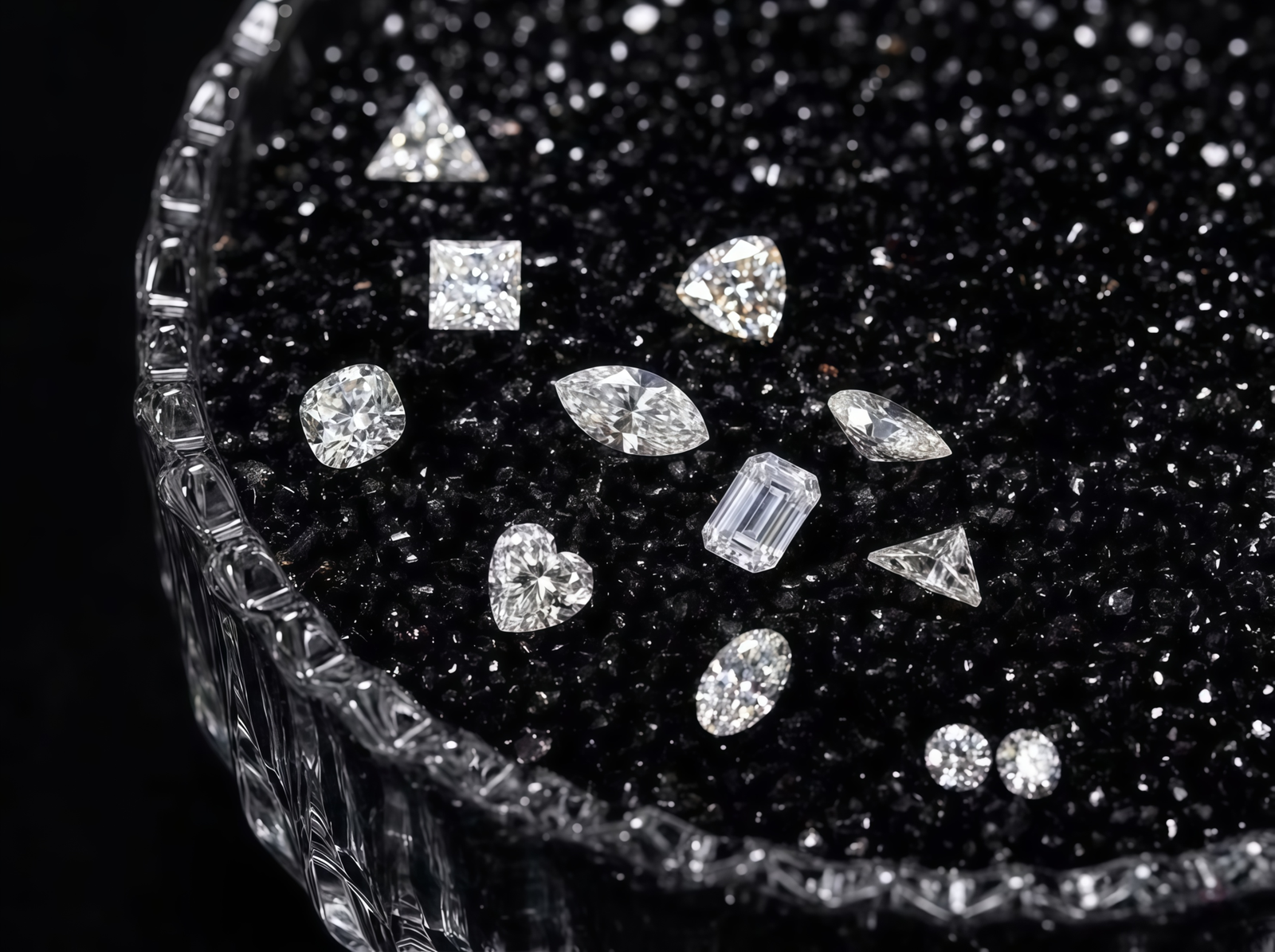
Not exactly. Carat is the measure of a diamond's weight, not its size. One carat is equal to 0.2 grams. However, the visible size of a diamond also depends on its shape and cut proportions. also depend on the shape and the proportions of the cut. For example, an oval or pear-shaped diamond will often look larger than a round diamond that weighs the same.
What is a lab grown diamond?
A lab grown diamond is a real diamond that is made in a controlled environment. They are created using advanced technology and contain the same chemical, physical, and optical properties as a mined diamond. Lab diamonds differ from mined diamonds with respect to the origin of each type: lab diamonds are more ethical, sustainable, and affordable than mined diamonds, which make them a modern, viable alternative to mined stones.
Are lab grown diamonds graded by the same 4Cs standards as mined diamonds?
Yes. Lab grown diamonds are graded by independent gemological labs such as the IG or GIA in the same way and to the same Four Cs criteria as mined diamonds. This provides assurances that cut, color, clarity, and carat for each diamond is graded in a consistent and objective way.
How do the 4Cs collectively impact a diamond's price?
- Carat and cut usually have the most impact on price.
- Color and clarity affect price less when staying within near-colorless and eye-clean ranges.
How hard are diamonds?
Diamonds are the hardest natural substance on Earth, ranking 10 on the Mohs hardness scale. They are extremely scratch resistant - making them perfect for daily wear in an engagement ring. There is no difference between lab grown diamonds and mined diamonds in this regard.
What are the diamond grades?
- • Cut: Excellent, Very Good, Good, Fair, Poor
- • Color: D (colorless) to Z (light yellow or brown)
- • Clarity: FL (Flawless) to 13 (Included)
- • Carat: Measured to the hundredth (e.g., 1.25ct)
How do diamond testers work?
Diamond testers are instruments that gauge a gemstone's ability to conduct heat or electricity. Real diamonds, whether lab grown or mined, both possess substantial thermal conductivity, that makes it easier for testers to identify them correctly.
What makes a diamond sparkle?
A diamond's sparkle is a result of its cut quality - the way light enters, bounces off and exits the stone. Diamonds with well cut stone dimensions and facet array create proportions that produce brilliance (white light), fire (colored light) and scintillation (sparkle when the diamond is moved). Out of all the Cs, the cut has the biggest impact on sparkle.
Explore Collections
Diamond Carat Guide
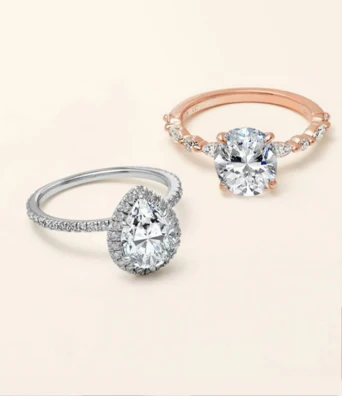
Diamond Clarity Guide
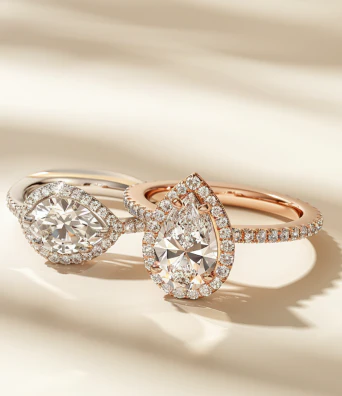
Diamond Color Guide
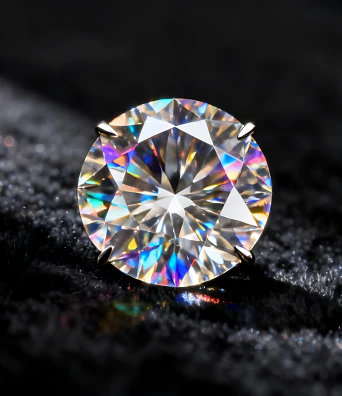
Diamond Color Guide